MANTI CERAMIC MEDIUM DENSITY, THE IDEAL FINISH FOR AN INSULATING SYSTEM
MANTI CERAMIC MEDIUM DENSITY, THE IDEAL FINISHING FOR AN INSULATING SYSTEM
Medium Density version of Manti Ceramic is the liquid version of the most famous nanotechnological insulation on the market and constitutes the ideal finish for an insulation system. The application of Medium Density is by spray or roller and its simplicity makes the product suitable for use for the correction of thermal bridges, even for the minimum usable thickness of 1 to 2 millimeters maximum.
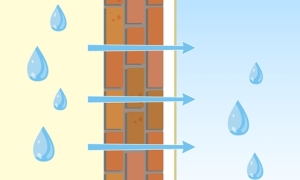
One of the most interesting use of the Manti Ceramic Medium Density version is as an insulating finishing. The lambda of this version is in fact better than the paste one (High density Manti Ceramic). Furthermore, the medium density version can be used as a finishing, being waterproof and therefore not requiring further protection.
The Medium Density version of Manti Ceramic is perfect for repainting historic buildings ensuring good insulation, or for correcting thermal bridges in relief friezes.
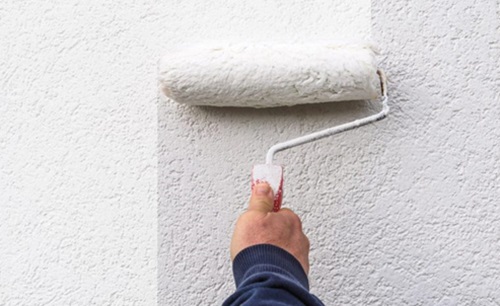
The ideal solution for nanotechnological insulation is described in the following:
- define the necessary thickness of High Density Ceramic Manti
- replace the last two millimeters with one millimeter of Medium Density (the lambda value of this version of our insulating products for construction is 0,001 W/mK)
- finishing which can also be coloured.
An example of use of Medium Density Manti Ceramic as a finishing lyer
Here is a concrete example: I have to apply 8 millimeters of High Density. In this case the finishing is with a siloxane civil plaster such as Silox Plaster from Savenergy.it. Alternatively, you can do 6mm of High Density and a 1mm finishing of Medium Density. The insulating result will be the same, but with a saving on plaster and with simplified labor.
Contact Us
 Want to learn more about our thermal insulation products and get an expert advice? Please contact us at: info@manti-ceramic.com
Follow our Linkedin Page: https://www.linkedin.com/company/savenergy-it-srl-holding/