Thermal insulation and bioarchitecture represent the future of sustainable construction, with a growing focus on using natural and environmentally friendly materials. One of the key aspects to ensuring a building’s energy efficiency is thermal insulation, which helps reduce energy consumption and improve indoor comfort. But how can natural materials be combined with advanced technologies?
Which Natural Materials Can Be Used for Insulation?
Among the most commonly used materials in bioarchitecture are:
- Lime and hemp: an excellent natural, breathable, and durable insulator.
- Cork: resistant to humidity with high insulating properties.
- Expanded clay: lightweight and capable of regulating humidity.
- Sheep wool: a natural material with good thermal and sound-absorbing properties.
These materials offer high insulation performance but often require considerable thickness or have limitations in resistance to atmospheric agents.

Nanotechnology Innovation in the Service of Sustainability
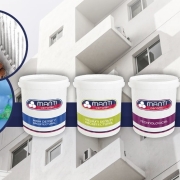
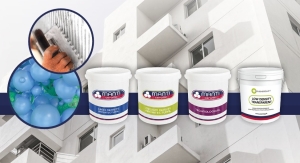
The integration of natural materials and nanotechnology is the key to achieving highly efficient thermal insulation in bioarchitecture without compromising sustainability. Manti Ceramic, for example, is a nanotechnological insulator that, thanks to its advanced composition, ensures high performance with minimal thickness.
The benefits of this technology include:
- Reduced thickness: a few millimeters of product provide insulation equivalent to several centimeters of traditional materials.
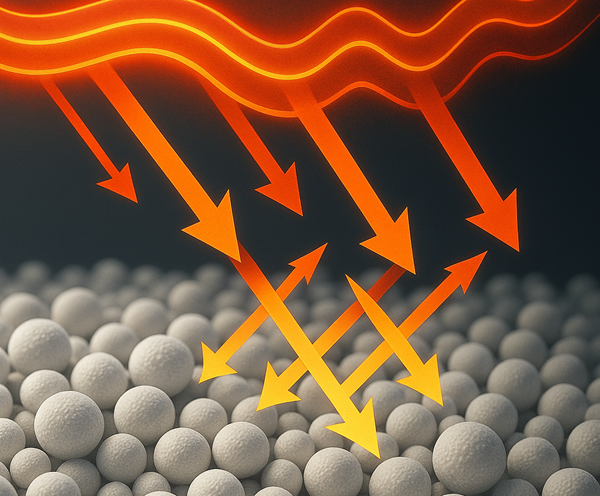
- High thermal reflectance: blocks heat in summer and retains it in winter.
- Non-toxic and sustainable: free from harmful substances and compatible with ecological construction.
- Breathability: prevents condensation and mold formation, promoting a healthy environment.
How to Integrate Manti Ceramic with Bioarchitectural Solutions
To achieve effective and sustainable insulation, Manti Ceramic can be combined with natural materials:
- Applied over lime-hemp plaster to enhance thermal efficiency.
- Used on raw earth panels to improve humidity regulation and breathability.
- Replacing other types of insulators to ensure excellent thermal insulation and greater durability.
Environmental and Economic Benefits of Hybrid Insulation
The integration of natural materials and nanotechnology allows for more energy-efficient buildings with a lower environmental impact and reduced management costs. Additionally, solutions like Manti Ceramic help preserve the aesthetics and architectural characteristics of historic buildings, making them compliant with energy retrofit regulations.
Conclusion
Thermal insulation and bioarchitecture are evolving thanks to nanotechnology, offering increasingly efficient and eco-friendly solutions. The combination of natural materials and innovation enables the construction of more efficient, comfortable, and sustainable buildings.
For more information about nanotechnological thermal insulation, contact us at info@manti-ceramic.com.
Discover more about our products and application techniques on our YouTube channel @savenergy-manticeramic!
represent the future of sustainable construction, with a growing focus on using natural and environmentally friendly materials. One of the key aspects to ensuring a building’s energy efficiency is thermal insulation, which helps reduce energy consumption and improve indoor comfort. But how can natural materials be combined with advanced technologies?
Which Natural Materials Can Be Used for Insulation?
Among the most commonly used materials in bioarchitecture are:
- Lime and hemp: an excellent natural, breathable, and durable insulator.
- Cork: resistant to humidity with high insulating properties.
- Expanded clay: lightweight and capable of regulating humidity.
- Sheep wool: a natural material with good thermal and sound-absorbing properties.
These materials offer high insulation performance but often require considerable thickness or have limitations in resistance to atmospheric agents.
Nanotechnology Innovation in the Service of Sustainability
The integration of natural materials and nanotechnology is the key to achieving highly efficient thermal insulation in bioarchitecture without compromising sustainability. Manti Ceramic, for example, is a nanotechnological insulator that, thanks to its advanced composition, ensures high performance with minimal thickness.
The benefits of this technology include:
- Reduced thickness: a few millimeters of product provide insulation equivalent to several centimeters of traditional materials.
- High thermal reflectance: blocks heat in summer and retains it in winter.
- Non-toxic and sustainable: free from harmful substances and compatible with ecological construction.
- Breathability: prevents condensation and mold formation, promoting a healthy environment.
How to Integrate Manti Ceramic with Bioarchitectural Solutions
To achieve effective and sustainable insulation, Manti Ceramic can be combined with natural materials:
- Applied over lime-hemp plaster to enhance thermal efficiency.
- Used on raw earth panels to improve humidity regulation and breathability.
- Replacing other types of insulators to ensure excellent thermal insulation and greater durability.
Environmental and Economic Benefits of Hybrid Insulation
The integration of natural materials and nanotechnology allows for more energy-efficient buildings with a lower environmental impact and reduced management costs. Additionally, solutions like Manti Ceramic help preserve the aesthetics and architectural characteristics of historic buildings, making them compliant with energy retrofit regulations.
Conclusion
Thermal insulation and bioarchitecture are evolving thanks to nanotechnology, offering increasingly efficient and eco-friendly solutions. The combination of natural materials and innovation enables the construction of more efficient, comfortable, and sustainable buildings.
For more information about nanotechnological thermal insulation, contact us at info@manti-ceramic.com.
Discover more about our products and application techniques on our linkedin page