
Thin thermal insulation: the modern alternative to traditional systems
Thin thermal insulation: the modern alternative to traditional systems
✅ Why choose thin thermal insulation?
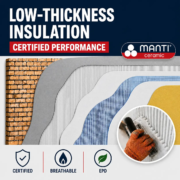
In recent years, thermal insulation has become a central element in any energy renovation project. However, one of the biggest challenges is the bulky thickness of traditional insulating materials. That’s why the most innovative and high-performing solution today is thin thermal insulation.
This technology, based on ceramic nanotechnology, offers excellent thermal performance with just a few millimeters of application. It’s a true revolution: it avoids invasive construction work, maintains the original aesthetics, and delivers comparable—if not superior—results to thick conventional systems.
🧪 Nanotechnology serving the construction industry
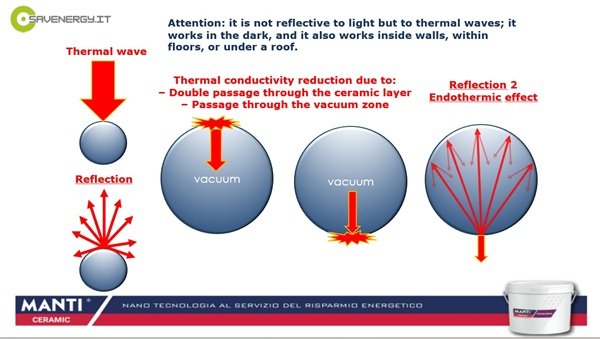
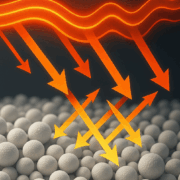
The core of thin thermal insulation lies in the use of vacuum-sealed ceramic microspheres embedded in a nanocomposite matrix. These microspheres:
- reflect more than 88% of thermal radiation
- block heat transfer by conduction, with some of the lowest conductivity values on the market (λ as low as 0.0019 W/mK)
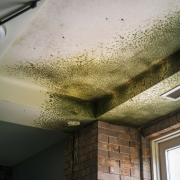
- create a breathable and anti-mold barrier, ideal even for historic or protected buildings
In addition, these materials are non-toxic, eco-friendly, fire-resistant, and 100% recyclable.
👉 Discover more on our website
🛠️ Where and how to apply thin thermal insulation
Thin thermal insulation can be applied to:
- exterior façades of both historic and modern buildings
- apartment interiors, where traditional panels can’t be used
- window reveals, undersides of balconies, and decorative elements
- industrial environments, thanks to specific formulations for metal, wood, or plastic
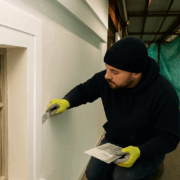
Application is quick and easy: with a spatula or airless spray in three coats. Installation times are reduced, and performance is guaranteed—without needing to modify window sills, drainpipes, or balcony structures as with traditional systems.
🔍 Thin thickness, high performance
Here’s a direct comparison:
| Type | Thickness | Thermal conductivity (W/mK) |
|---|---|---|
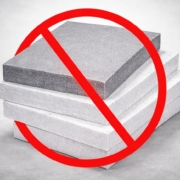
| Traditional insulation (EPS) | 12 cm | 0.031 |
| Manti Ceramic High Density | 8 mm | 0.002 |
And more: no cracks, no detachment, and minimal long-term maintenance.
📩 Contact us for more information
Want to find out which version of Manti Ceramic best suits your project?
Write to us at info@manti-ceramic.com and we’ll help you choose the ideal solution.
📺 Also follow our linkedin page: https://www.linkedin.com/company/savenergy-it-srl-holding/ where you’ll find technical information, application tips, and case studies.




Leave a Reply
Want to join the discussion?Feel free to contribute!